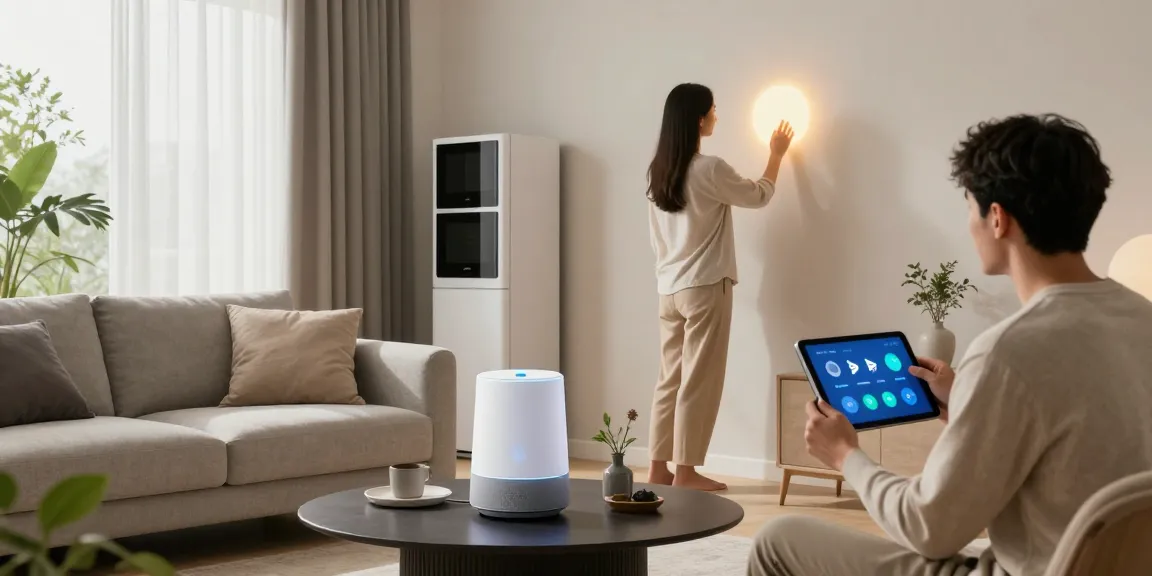
Understanding the IKEA Smart Home Ecosystem
The IKEA smart home ecosystem is rapidly gaining traction as consumers seek innovative ways to enhance their living spaces. With a wide range of affordable and user-friendly products, IKEA has positioned itself as a key player in the smart home market. This article will explore the components, benefits, and future of the IKEA smart home system, offering insights and practical tips for those looking to create a more connected lifestyle. When exploring options, IKEA smart home products provide comprehensive insights into how to maximize convenience and efficiency.
What is IKEA Smart Home?
The IKEA Smart Home is a collection of interconnected devices designed to automate and enhance everyday tasks around the house. It encompasses smart lighting, appliances, security systems, and climate control, all manageable from a single application or voice commands through smart assistants. By integrating technology into their product offerings, IKEA aims to simplify the user experience while ensuring affordability and accessibility for all.
Components of the IKEA Smart Home System
- Smart Lighting: Options like the TRÅDFRI range allow for customizable lighting solutions that can be controlled remotely.
- Smart Plugs: These devices enable users to control electrical appliances easily, turning any standard device into a smart device.
- Smart Blinds: Automated shades that can be adjusted on a schedule or remotely through the app.
- Smart Sensors: Motion and door/window sensors enhance home security and energy efficiency.
- DIRIGERA Hub: The central hub that facilitates communication between all IKEA smart home devices and ensures seamless integration with other smart home ecosystems.
Benefits of Using IKEA Smart Home Devices
The IKEA smart home devices offer a multitude of benefits. They are designed to be user-friendly, allowing even technologically challenged individuals to set them up quickly. Additionally, the affordability of these products makes them accessible to a larger audience compared to premium brands. Moreover, with the recent compatibility of IKEA devices with the Matter protocol, users can integrate their setups with a variety of third-party smart devices, expanding functionality and ease of use.
Setting Up Your IKEA Smart Home
Choosing the Right Products for Your Needs
When starting your journey into the IKEA smart home ecosystem, it's essential to assess your specific needs and lifestyle. Some may prioritize energy-saving devices, such as smart bulbs and plugs, while others might seek enhanced security through sensors and cameras. A well-rounded setup could include a combination of lighting, energy management, and security to create a comprehensive smart home environment.
Step-by-Step Installation Guide
- Install the DIRIGERA Hub: Connect the hub to your Wi-Fi network and ensure it is powered on.
- Download the IKEA Home Smart App: Available on both iOS and Android, the app will serve as your control center.
- Connect Devices: Follow the app's instructions to add and pair new devices, ensuring they are within range of the hub.
- Customize Settings: Explore the app's features to set up automation, schedules, and preferences to suit your lifestyle.
Troubleshooting Common Setup Issues
If you encounter problems during setup, common issues may include connectivity problems with your Wi-Fi or failure to recognize devices. Ensure that your hub is updated, and if needed, restart the hub and the devices. Consulting the IKEA support website or community forums can also provide helpful troubleshooting tips and solutions.
Integrating IKEA Smart Home with Other Systems
Compatibility with Matter Protocol
The integration of the Matter protocol into the IKEA smart home lineup marks a significant improvement in compatibility with other smart home ecosystems. This means that IKEA devices can communicate with products from brands like Apple, Google, and Amazon seamlessly, facilitating a more interconnected experience.
Connecting with Third-Party Smart Devices
Users can enhance their IKEA smart home setup by incorporating third-party devices, such as smart speakers or dedicated security cameras. The flexible compatibility offered by the Matter protocol ensures that adding these devices does not complicate the overall system but rather enhances it.
Creating Efficient Home Automation Scenarios
Automation scenarios can drastically improve energy efficiency and convenience. For instance, you could set your smart lights to turn on when motion is detected in the front hallway, or program your smart blinds to close at sunset. These automations not only boost comfort but also contribute to energy savings, as lights and devices are only active when needed.
Maximizing Your Smart Home Experience
Smart Lighting and Mood Management
Smart lighting offers more than just convenience; it can also influence mood and ambiance. With customizable color settings and dimming capabilities, users can create the perfect atmosphere for any occasion, whether it's a cozy movie night or an energetic gathering.
Energy Efficiency with Smart Appliances
Incorporating smart appliances into your IKEA smart home can significantly cut your energy usage. Smart thermostats learn your heating and cooling preferences, optimizing usage for maximum efficiency. Similarly, smart plugs can track energy consumption, helping you identify which devices are using the most power.
Enhancing Home Security with Smart Sensors
Smart security sensors play a crucial role in safeguarding your home. By installing motion detectors and door/window sensors, you can receive real-time alerts on your smartphone if unusual activity is detected. This peace of mind is invaluable, especially when you're away from home.
Future of Smart Home Technology in 2026 and Beyond
Emerging Trends in Smart Home Innovations
As we move further into 2026, expect to see continued advancements in AI integration, energy management solutions, and user-friendly interfaces that make the user experience more intuitive. The trend will likely shift towards sustainability and energy-efficient solutions, with smart homes playing a significant role in this transition.
IKEA's Role in the Smart Home Market
IKEA is positioned uniquely to lead the charge in making smart home technology accessible and affordable. Their commitment to sustainability and innovation will likely result in a broadening product range that adapts to consumer demands and technological advancements.
Predictions for Smart Home Development
Looking ahead, the smart home will evolve to include even more interconnected devices that operate with minimal user input. Home automation will become increasingly seamless, where devices learn user habits and automate responses without manual configuration.
How to Prepare for Future Upgrades?
To stay ahead in the rapidly changing smart home landscape, it's essential to invest in devices that support ongoing updates and new technologies, like the latest Matter-compatible products. Regularly monitoring industry developments will also ensure you're aware of new products and features that can enhance your smart home functionality.
Is IKEA Smart Home Right for You?
For those looking to start their smart home journey without an overwhelming investment, IKEA offers a practical solution. The combination of affordability, ease of use, and expanding compatibility makes IKEA smart home products a compelling choice for anyone looking to enhance their living space while embracing modern technology.